

Expert-led diagnosis and advanced minimally invasive treatment for complex endometriosis, deep infiltrating endometriosis and recurrent endometriosis. Led by renowned endometriosis specialist Dr. Hrishikesh Pandit, Pandit Hospital – 3D Laparoscopy Centre, Ahilyanagar, offers specialised evaluation and treatment for women suffering from endometriosis.
With over a decade of experience and more than 500 complex endometriosis surgeries, Dr. Hrishikesh Pandit brings extensive surgical experience to the management of challenging endometriosis cases.
From early-stage disease to deep infiltrating and recurrent endometriosis, the focus is on accurate diagnosis, individualised treatment planning, advanced 3D laparoscopic surgery and long-term patient care. If persistent pelvic pain, painful periods, painful intercourse or fertility difficulties are affecting your quality of life, an expert evaluation can help identify the underlying cause.
Book an expert endometriosis consultation at Pandit Hospital, Ahilyanagar.
Endometriosis is a chronic gynaecological condition in which tissue similar to the lining of the uterus (endometrium) grows outside the uterus. These lesions may develop in different parts of the pelvis and, in some cases, outside the pelvic cavity.
Endometriosis commonly affects:
- Ovaries, causing endometriomas or chocolate cysts.
- Pelvic peritoneum.
- Uterosacral ligaments.
- The area behind the uterus.
- Bowel and rectum.
- Urinary bladder and ureters.
- Diaphragm and, rarely, the chest cavity.
- Other abdominal or extra-pelvic locations.
Endometriosis can cause chronic inflammation, pain, adhesions and distortion of normal pelvic anatomy. In some women, it can also affect fertility. One important fact is that the severity of symptoms does not always correspond to the extent of disease. Some women with extensive endometriosis may have minimal symptoms, while others with limited visible disease may experience severe pain.
Early recognition and expert evaluation are important for appropriate treatment.
Endometriosis is frequently diagnosed several years after symptoms first appear. Many women spend years managing pain without knowing its actual cause.
There are several reasons for delayed diagnosis.
Painful periods are considered normal
Many women are told that severe menstrual pain is simply part of having periods. However, pain that interferes with daily activities, work, education or normal life should not be ignored.
Symptoms resemble other conditions
Endometriosis may present with symptoms similar to:
- Irritable bowel syndrome (IBS).
- Pelvic inflammatory disease.
- Urinary tract conditions.
- Adenomyosis.
- Ovarian cysts.
- Other chronic pelvic pain conditions.
This overlap can make diagnosis challenging.
Routine ultrasound may not detect all lesions
A routine pelvic ultrasound may identify ovarian endometriomas, but superficial endometriosis and some deep infiltrating lesions can be difficult to detect.
Expert transvaginal ultrasound and specialised pelvic imaging, including MRI when indicated, can help identify disease location and extent.
Symptoms are managed without investigating the cause
Repeated use of painkillers or hormonal medication without an appropriate assessment may delay identification of the underlying condition.
Lack of awareness about deep and extra-pelvic endometriosis
Endometriosis is not restricted to the uterus, ovaries or pelvic cavity. It can involve the bowel, bladder, ureters and, rarely, the diaphragm or chest.
Recognising these less common presentations requires clinical awareness and appropriate specialist evaluation.
At Pandit Hospital, the emphasis is on understanding the patient’s complete symptom history, evaluating disease extent and developing an appropriate treatment strategy.
Accurate diagnosis is the foundation of effective endometriosis management.
At Pandit Hospital, Dr. Hrishikesh Pandit focuses on a comprehensive assessment rather than treating individual symptoms in isolation.
The diagnostic process may include:
Detailed Clinical Evaluation
A detailed history helps understand:
- Severity and duration of menstrual pain.
- Chronic pelvic pain.
- Pain during sexual intercourse.
- Pain during bowel movements.
- Pain during urination.
- Heavy or irregular menstrual bleeding.
- Fertility concerns and previous pregnancy history.
- Previous pelvic surgeries and endometriosis treatments.
Expert Pelvic Examination
A clinical examination may help identify tenderness, restricted organ mobility, pelvic nodules or other signs suggestive of endometriosis.
Advanced Imaging
Depending on the symptoms and clinical findings, investigations may include:
- Expert transvaginal ultrasound.
- Pelvic ultrasound.
- MRI pelvis for suspected deep infiltrating endometriosis.
- Targeted imaging for bowel, bladder, ureteric or extra-pelvic involvement.
Imaging is particularly important for surgical planning in complex cases.
Individualised Treatment Planning
The final treatment plan considers disease location, symptoms, previous treatment, fertility goals, ovarian reserve and the patient’s preferences.
Importantly, diagnostic laparoscopy is not mandatory for every woman with suspected endometriosis. A clinical diagnosis supported by imaging may be sufficient to initiate appropriate treatment.
Advanced 3D laparoscopy is an important tool in the surgical management of complex endometriosis. Unlike conventional 2D laparoscopic systems, 3D imaging provides stereoscopic depth perception, helping the surgeon appreciate anatomical relationships during surgery.
This can be particularly valuable when operating in complex pelvic spaces involving adhesions, delicate structures and deep infiltrating lesions.
Advantages of 3D Laparoscopy
Enhanced Depth Perception
Three-dimensional visualisation helps the surgeon better appreciate the depth and spatial relationships of pelvic structures.
Better Visualisation of Complex Anatomy
Endometriosis can cause extensive adhesions, making normal anatomical planes difficult to identify. 3D imaging can assist surgical orientation.
Precision During Delicate Dissection
Complex endometriosis surgery may involve structures such as the ureters, bowel, bladder and pelvic nerves. Enhanced depth perception can be useful during delicate dissection.
Improved Surgical Planning and Execution
3D visualisation can support the surgeon in identifying tissue planes and understanding the extent of disease during surgery.
Minimally Invasive Surgical Approach
Laparoscopic surgery uses small incisions and specialised instruments. Depending on the procedure, patients may benefit from less postoperative pain, smaller scars and a shorter hospital stay compared with open surgery.
The actual benefits and recovery depend on disease severity, surgical complexity and individual patient factors.
At Pandit Hospital – 3D Laparoscopy Centre, advanced laparoscopic technology is combined with specialised surgical experience to manage challenging endometriosis cases.
Endometriosis is commonly classified into four stages according to the revised American Society for Reproductive Medicine (rASRM) classification. These stages describe the extent of visible disease, adhesions and ovarian involvement. However, an important point is that the stage does not necessarily predict the severity of pain or the degree of fertility impairment.
Treatment is individualised and should not be decided by stage alone.
Stage 1 – Minimal Endometriosis
What happens?
Small, superficial endometriotic lesions may be present on the pelvic peritoneum, with minimal adhesions.
Treatment options:
- Observation in selected women with minimal symptoms.
- Medical management for pain.
- Hormonal suppression when appropriate.
- Laparoscopic treatment in selected cases based on symptoms, fertility considerations and clinical findings.
Not every woman with Stage 1 endometriosis requires surgery.
Stage 2 – Mild Endometriosis
What happens?
There may be more superficial lesions, deeper implants and limited adhesions.
Treatment options:
- Individualised hormonal treatment.
- Pain management.
- Laparoscopic excision or ablation in selected cases.
- Fertility evaluation when pregnancy is desired.
The treatment approach depends on symptoms, disease location and reproductive goals.
Stage 3 – Moderate Endometriosis
What happens?
This stage may involve ovarian endometriomas, deeper lesions and more significant adhesions.
Treatment options:
- Detailed pelvic imaging and surgical assessment.
- Medical management for appropriate patients.
- Laparoscopic treatment of endometriomas when indicated.
- Adhesiolysis to restore normal anatomical relationships.
- Excision of visible disease where appropriate.
- Fertility planning and ovarian reserve assessment.
Ovarian surgery requires particular care because surgical treatment of endometriomas can affect ovarian reserve.
Stage 4 – Severe Endometriosis
What happens?
This stage may involve large or bilateral endometriomas, extensive adhesions and deep infiltrating endometriosis involving pelvic organs.
Disease may affect:
- Rectum and bowel.
- Urinary bladder.
- Ureters.
- Uterosacral ligaments.
- Pouch of Douglas.
- Other pelvic structures.
Treatment options:
- Comprehensive preoperative evaluation and imaging.
- Advanced 3D laparoscopic surgery in appropriately selected cases.
- Excision of deep infiltrating endometriosis.
- Bowel or bladder surgery when clinically necessary.
- Ureteric assessment and reconstruction when required.
- Multidisciplinary surgical planning.
- Fertility preservation and reproductive planning where appropriate.
Complex Stage 4 endometriosis requires specialised expertise. Surgery must be carefully planned to balance disease treatment, organ function, fertility and quality of life.
Deep infiltrating endometriosis (DIE) is a form of endometriosis in which lesions extend into deeper tissues, often involving pelvic structures.
It may affect:
- Rectum and sigmoid colon.
- Urinary bladder.
- Ureters.
- Uterosacral ligaments.
- Vagina.
- Rectovaginal septum.
- Pelvic nerves in selected cases.
Symptoms may include severe pelvic pain, painful intercourse, painful bowel movements, constipation, urinary symptoms and chronic lower abdominal pain. Treatment requires detailed preoperative mapping of disease and an individualised surgical approach.
Depending on the location and extent, treatment may include:
- Laparoscopic excision of deep lesions.
- Adhesiolysis.
- Bladder endometriosis excision.
- Ureterolysis or ureteric reconstruction when necessary.
- Rectal shaving.
- Disc excision.
- Segmental bowel resection in selected cases.
Not every patient requires extensive surgery. The choice of procedure depends on the depth of infiltration, organ involvement, symptoms and surgical findings. At Pandit Hospital, 3D laparoscopic visualisation can assist in identifying anatomical planes during complex pelvic procedures.
Endometriosis is not always limited to the reproductive organs or pelvic cavity.
In some women, endometriotic lesions may develop in other parts of the body. These are known as extra-pelvic endometriosis.
Recognising these lesions is important because their symptoms may be unrelated to menstruation or may be mistaken for other medical conditions.
- Diaphragmatic Endometriosis
Endometriosis may affect the diaphragm, particularly its upper surface.
Possible symptoms include:
- Right-sided upper abdominal pain.
- Chest or shoulder-tip pain.
- Pain that becomes worse around menstruation.
Treatment requires appropriate imaging and surgical assessment. Laparoscopic excision may be considered for selected diaphragmatic lesions.
- Thoracic Endometriosis
Thoracic endometriosis may involve the lungs or pleural cavity.
Possible presentations include:
- Catamenial pneumothorax (air in the chest around menstruation).
- Catamenial haemothorax (blood in the chest around menstruation).
- Chest pain.
- Breathlessness associated with menstrual cycles.
Management requires coordinated care involving thoracic surgeons and other specialists. Thoracoscopy or other specialist procedures may be required.
- Abdominal Wall Endometriosis
Endometriosis can develop in abdominal wall scars, particularly following previous caesarean sections or abdominal surgeries.
Symptoms may include:
- Painful swelling near a surgical scar.
- A lump that becomes painful during menstruation.
- Localised abdominal wall discomfort.
Surgical excision may be recommended depending on the extent and location of the lesion.
- Other Extra-Pelvic Locations
Rarely, endometriosis may affect the bowel outside the pelvis, urinary tract, abdominal organs and other tissues.
The diagnostic and treatment approach depends on the affected organ.
The Role of 3D Laparoscopy
When extra-pelvic disease is accessible through an abdominal laparoscopic approach, 3D visualisation can assist with anatomical orientation and precise dissection.
However, not all extra-pelvic lesions can or should be treated through pelvic laparoscopy. Some require a combined approach, specialist imaging or the involvement of thoracic, colorectal, urological or other surgical teams.
At Pandit Hospital, treatment planning focuses on identifying the location of disease and choosing the safest appropriate surgical approach.
Yes. Endometriosis can affect fertility in some women, although many women with endometriosis conceive naturally. It may affect fertility through:
- Pelvic adhesions that interfere with normal reproductive anatomy.
- Distortion of the fallopian tubes and ovaries.
- Inflammation within the pelvic environment.
- Ovarian endometriomas and reduced ovarian reserve.
- Other associated reproductive conditions.
Treatment depends on age, duration of infertility, ovarian reserve, tubal status, semen parameters, disease severity and pregnancy goals.
Options may include:
- Expectant management in selected patients.
- Medical treatment for pain when pregnancy is not being attempted.
- Fertility-focused laparoscopic surgery in selected cases.
- Ovulation induction or assisted reproductive techniques.
- IVF when clinically indicated.
It is important to understand that hormonal suppression does not improve fertility while a woman is taking it, and surgery for ovarian endometriomas can reduce ovarian reserve. Therefore, surgery should not automatically be recommended to every woman with endometriosis who is planning pregnancy.
At Pandit Hospital, fertility goals are considered an important part of endometriosis treatment planning.
Endometriosis surgery, especially in advanced and recurrent cases, requires extensive understanding of pelvic anatomy, disease behaviour and minimally invasive surgical techniques.
Dr. Hrishikesh Pandit is a renowned endometriosis specialist at Pandit Hospital, Ahilyanagar.
With over a decade of experience and more than 500 complex endometriosis surgeries, he brings substantial experience in managing challenging cases.
Key Reasons to Consider Expert-Led Care
- Decade-Plus Surgical Experience
More than 10 years of experience in managing complex gynaecological and endometriosis cases.
- Experience of 500+ Complex Endometriosis Surgeries
Extensive surgical experience in challenging endometriosis cases, including advanced and recurrent disease.
- Advanced 3D Laparoscopic Technology
Access to 3D laparoscopic visualisation for selected complex minimally invasive procedures.
- Expert-Led Diagnosis
A comprehensive approach to understanding symptoms, identifying disease locations and evaluating the extent of endometriosis.
- Individualised Treatment Planning
Treatment decisions based on disease severity, symptoms, fertility goals and overall health.
- Management of Complex Endometriosis
Evaluation and surgical management of deep infiltrating endometriosis, adhesions, ovarian endometriomas and selected extra-pelvic disease.
- Focus on Organ Preservation
Where clinically appropriate, treatment planning considers preservation of ovarian function, reproductive potential and surrounding organ function.
The cost of endometriosis treatment depends on several factors. There is no single fixed fee applicable to every patient.
Treatment costs may vary according to:
- Stage and extent of endometriosis.
- Whether ovarian endometriomas are present.
- Deep infiltrating disease involving bowel, bladder or ureters.
- Whether extra-pelvic lesions are present.
- Medical management versus laparoscopic surgery.
- Duration and complexity of the procedure.
- Anaesthesia and hospitalisation requirements.
- Additional specialist involvement, if needed.
- Investigations and imaging required before surgery.
Consultation and Treatment Fees
Consultation fees, diagnostic investigation charges and surgical costs are determined according to the individual patient’s requirements.
For an accurate estimate, patients should undergo an expert clinical evaluation and review of their previous medical records and imaging. At Pandit Hospital, the objective is to recommend an appropriate treatment plan based on medical necessity rather than adopting the same treatment approach for every patient.
Contact Pandit Hospital, Ahilyanagar, for consultation and information regarding treatment costs.
Do not ignore persistent symptoms, particularly when they interfere with your everyday life. Consider an expert consultation if you experience:
- Severe menstrual cramps that affect daily activities.
- Chronic pelvic or lower abdominal pain.
- Pain during or after sexual intercourse.
- Painful bowel movements during periods.
- Pain during urination, especially around menstruation.
- Heavy or painful periods.
- Difficulty conceiving.
- Recurrent ovarian endometriomas.
- Persistent pelvic pain despite medical treatment.
- Previous endometriosis surgery with recurring symptoms.
An early expert assessment may help identify the underlying problem and prevent unnecessary delays in treatment planning.
Dr. Hrishikesh Pandit at Pandit Hospital – 3D Laparoscopy Centre, Ahilyanagar, provides expert-led evaluation and treatment for endometriosis, including complex and deep infiltrating disease. He has over a decade of experience and has performed more than 500 complex endometriosis surgeries.
Pandit Hospital – 3D Laparoscopy Centre in Ahilyanagar, Maharashtra, offers specialised evaluation and advanced 3D laparoscopic surgical treatment for appropriately selected endometriosis cases under the leadership of Dr. Hrishikesh Pandit.
Conventional 2D laparoscopy provides a two-dimensional surgical image, while 3D laparoscopy provides stereoscopic depth perception. This can help surgeons better understand anatomical relationships and perform delicate dissection, particularly during complex pelvic surgeries.
Yes, selected Stage 4 endometriosis cases can be treated using advanced 3D laparoscopic surgery. However, treatment depends on the extent of disease and involvement of organs such as the bowel, bladder and ureters. Some cases require multidisciplinary surgical management.
Yes. Many women can be managed with hormonal medication, pain management and regular follow-up. Surgery is considered when symptoms persist, organs are affected, fertility-related indications exist or other clinical circumstances justify surgical intervention.
No. Surgery is not necessary for every woman with endometriosis. Treatment depends on symptoms, disease extent, fertility goals, response to medical treatment and individual clinical findings.
Yes. Endometriosis can affect fertility by causing adhesions, ovarian damage, anatomical distortion and pelvic inflammation. However, many women with endometriosis conceive naturally. Fertility treatment should be individualised.
Yes. Endometriosis can develop on the ovaries, pelvic peritoneum, bowel, bladder, ureters and, rarely, the diaphragm, chest and abdominal wall. These conditions require appropriate evaluation and location-specific treatment.
Yes. Endometriosis can recur after surgery. The risk depends on several factors, including disease extent, completeness of treatment, ovarian involvement and postoperative management. Long-term follow-up and appropriate hormonal suppression, when suitable, may help reduce recurrence risk.
Deep infiltrating endometriosis is a form of endometriosis in which lesions extend into deeper tissues, potentially affecting the bowel, bladder, ureters, uterosacral ligaments and rectovaginal region. It often requires detailed imaging and specialised surgical planning.
For appropriately selected patients, laparoscopic surgery offers the advantages of smaller incisions and potentially faster recovery compared with open surgery. 3D imaging adds depth perception during surgery. However, the safest approach depends on disease complexity, the surgeon’s expertise and the patient’s condition.
The cost depends on the stage of endometriosis, organ involvement, surgical complexity, hospitalisation and additional specialist requirements. Patients should consult Dr. Hrishikesh Pandit at Pandit Hospital for an individual treatment assessment and cost estimate.
There is currently no guaranteed permanent cure for endometriosis. Surgery can remove visible lesions and improve symptoms in selected patients, but recurrence is possible. Long-term management may include medical treatment, symptom monitoring and follow-up.
Consider a specialist second opinion if you have persistent pelvic pain, recurrent endometriosis, an ovarian endometrioma, suspected bowel or bladder involvement, infertility or have been advised to undergo hysterectomy or extensive surgery. An expert evaluation can help clarify the diagnosis and available treatment options.
No. Hysterectomy alone does not necessarily cure endometriosis because lesions can exist outside the uterus. The decision to remove the uterus is individualised, and management of extrauterine disease must also be considered.
Visit Pandit Hospital – 3D Laparoscopy Centre, Ahilyanagar
Endometriosis is more than just painful periods. It can affect your daily life, reproductive health and overall well-being. You do not have to keep ignoring persistent pain or repeatedly rely on temporary solutions without understanding the underlying cause.
At Pandit Hospital – 3D Laparoscopy Centre, Ahilyanagar, Dr. Hrishikesh Pandit provides expert-led evaluation and individualised treatment planning for women with suspected, recurrent and complex endometriosis. With over a decade of experience and 500+ complex endometriosis surgeries, the focus is on accurate diagnosis, advanced minimally invasive surgical techniques and patient-centred care.
If you are looking for an endometriosis specialist in Ahilyanagar, Maharashtra, schedule a consultation for an expert assessment.
Pandit Hospital – 3D Laparoscopy Centre
Ahilyanagar, Maharashtra, India
Consult Dr. Hrishikesh Pandit for expert endometriosis evaluation and treatment.
At Pandit Hospital, you are in safe hands!
To consult Dr. Hrishikesh Pandit, Click Below,
Pandit Hospital – Best Maternity care center in Ahmednagar
LET’S SEE OUR INTRO VIDEO
At Pandit Hospital, we provide all the maternity services from antenatal to postnatal period under one roof
Let's Connect!!
0241-2441717 / 0241-2442344
info.pandithospital@gmail.com
About author:
Dr. Hrishikesh Pandit:
Dr. Hrishikesh Pandit is one of the best obstetrician and gynecologist in India. He is also a well-renowned Laparoscopic surgeon. He obtained his MS (Ob Gyn) degree from the prestigious Pravara Institute of Medical Sciences. He has also done fellowship and diploma courses in laparoscopic surgeries and cancer treatment from Tata Hospital and Keil University, Germany. His surgical cases, papers and videos has been chosen in many international forums of gynecology.

At Pandit Hospital, we are always working hard to provide its patients with the highest level of medical innovation and patient care. With the aim of delivering complete maternity & gynecological care under one roof with the help of all contemporary amenities and cutting-edge medical equipment. Dr. Hrishikesh Pandit has a vision to bring the best of facilities regarding laparoscopy surgeries in the city of Ahmednagar. He is the pioneer of 3D Laparoscopy technology is Ahmednagar.
Latest Articles
Dr. Hrishikesh Pandit is one of the best laparoscopy surgeons in India. His determination to bring 3D Laparoscopy technology to Ahmednagar has eventually helped so many patients. Read the latest articles by Dr. Hrishikesh Pandit on Gynecology, gastric issues, and health tips for mothers during pregnancy.
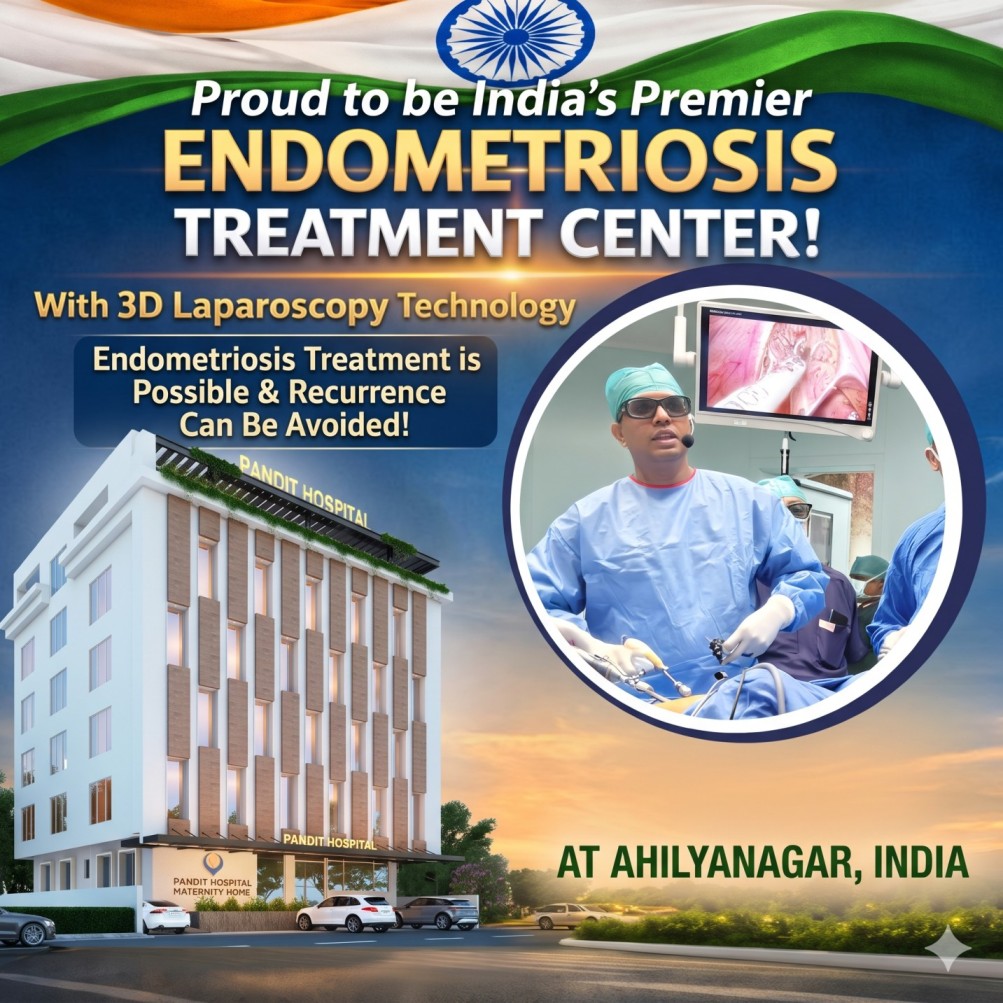
Looking for endometriosis treatment in Maharashtra? Consult Dr. Hrishikesh Pandit at Pandit Hospital, Ahilyanagar, for expert diagnosis and advanced 3D laparoscopic treatment of complex endometriosis.
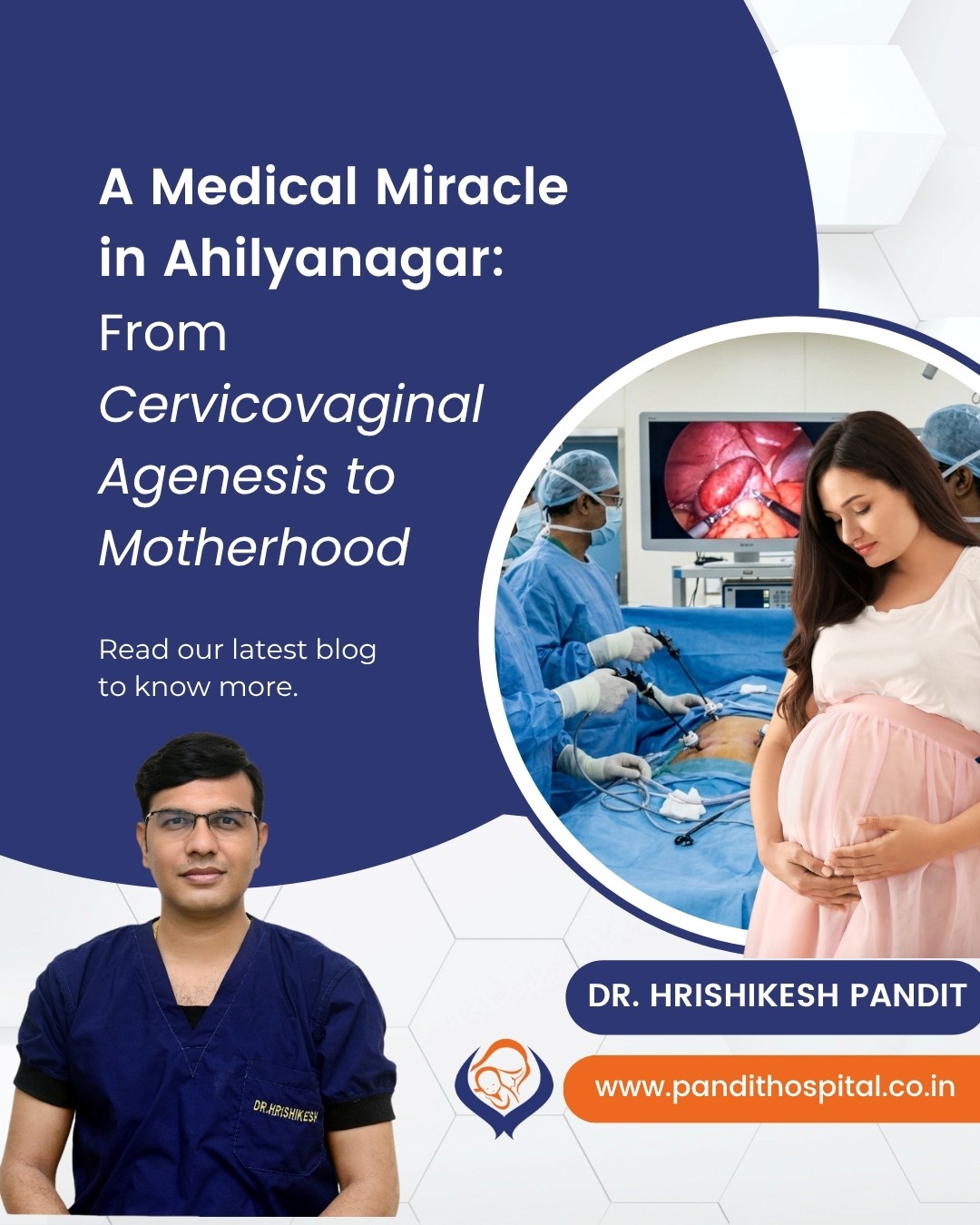
A rare and historic fertility success story from Ahilyanagar, India. Dr. Hrishikesh Pandit at Pandit Hospital successfully treated cervicovaginal agenesis with advanced 3D laparoscopic reconstructive surgery, followed by pregnancy and the world’s first laparoscopic cerclage in a repaired agenesis case, resulting in the delivery of a healthy baby in May 2026.
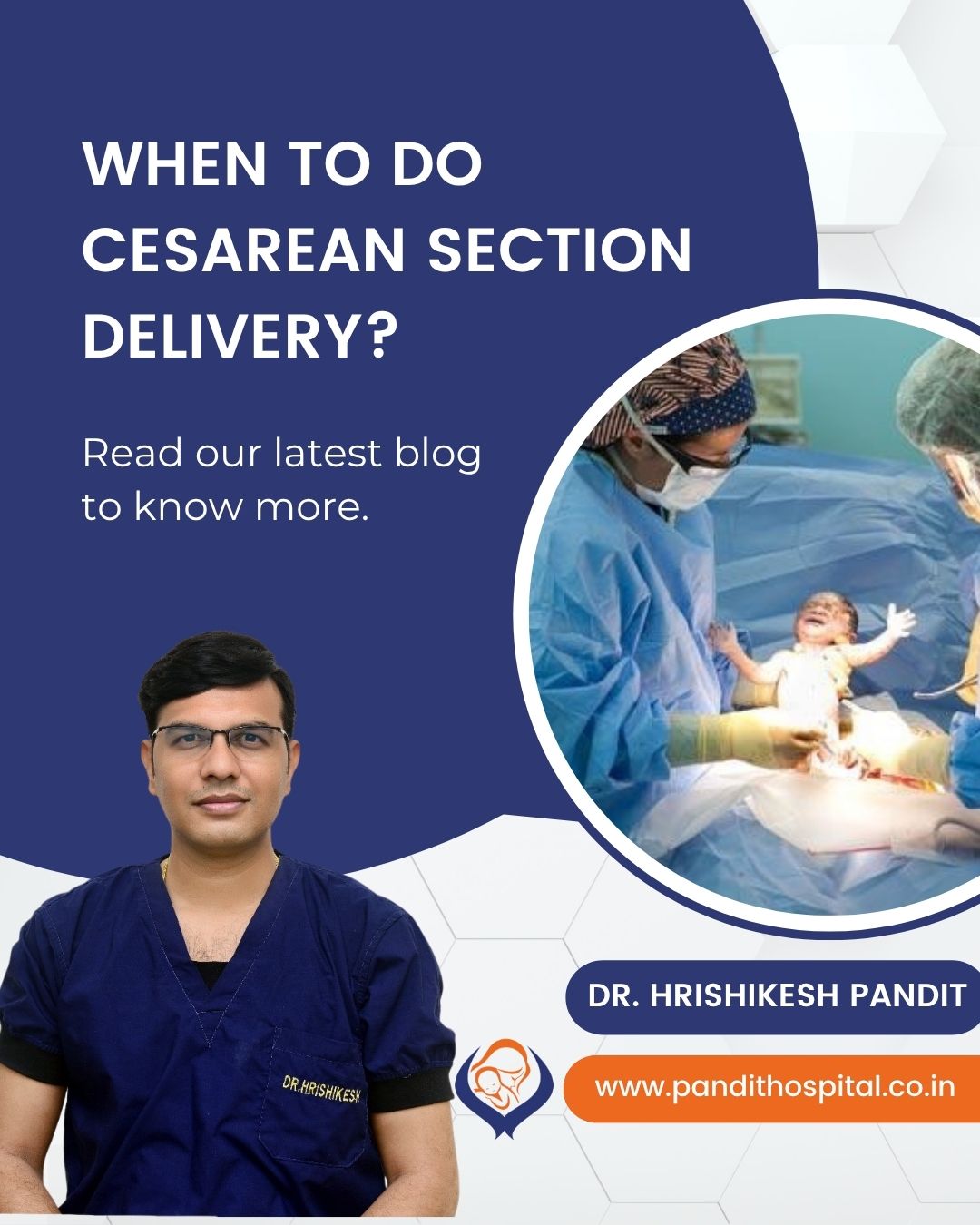
Looking for a cesarean section doctor in Ahilyanagar? Consult Dr Hrishikesh Pandit & Dr Monika Pandit for safe C-section delivery & maternity care.